Drum Motor Partnership FAQ: Supply, Acceptance, After-Sales
A drum motor partnership is decided by three documents, not by unit price: a purchasing baseline that fixes exactly which motor is being bought, acceptance criteria that both sides can test against, and an after-sales scope that states who does what when a drive stops. This FAQ answers the questions buyers raise at the framework-agreement stage — after a pilot has run, before a blanket order is signed — and maps each answer to real conveying duties, from packaging and airport baggage lines to food, meat and pharmaceutical processing.
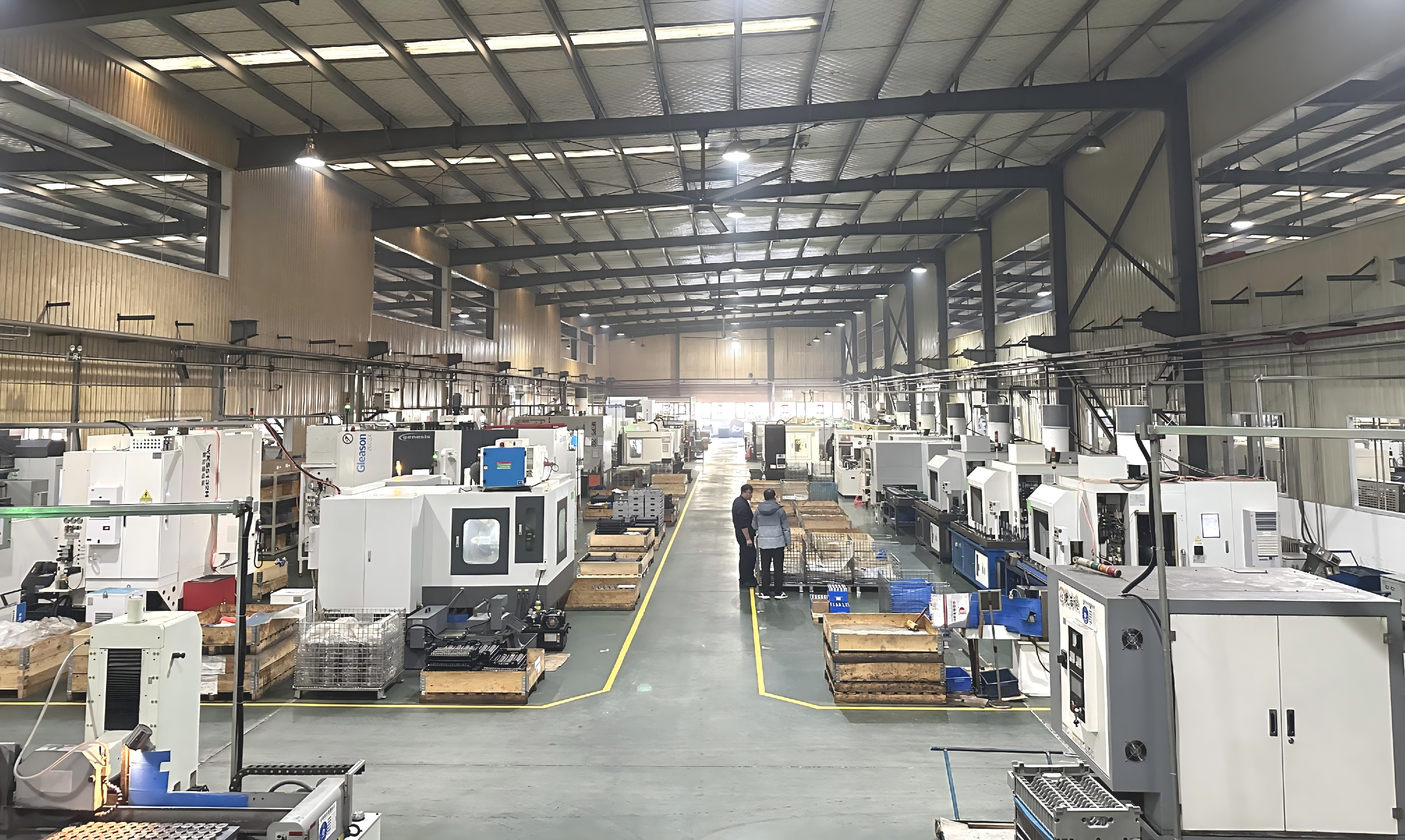
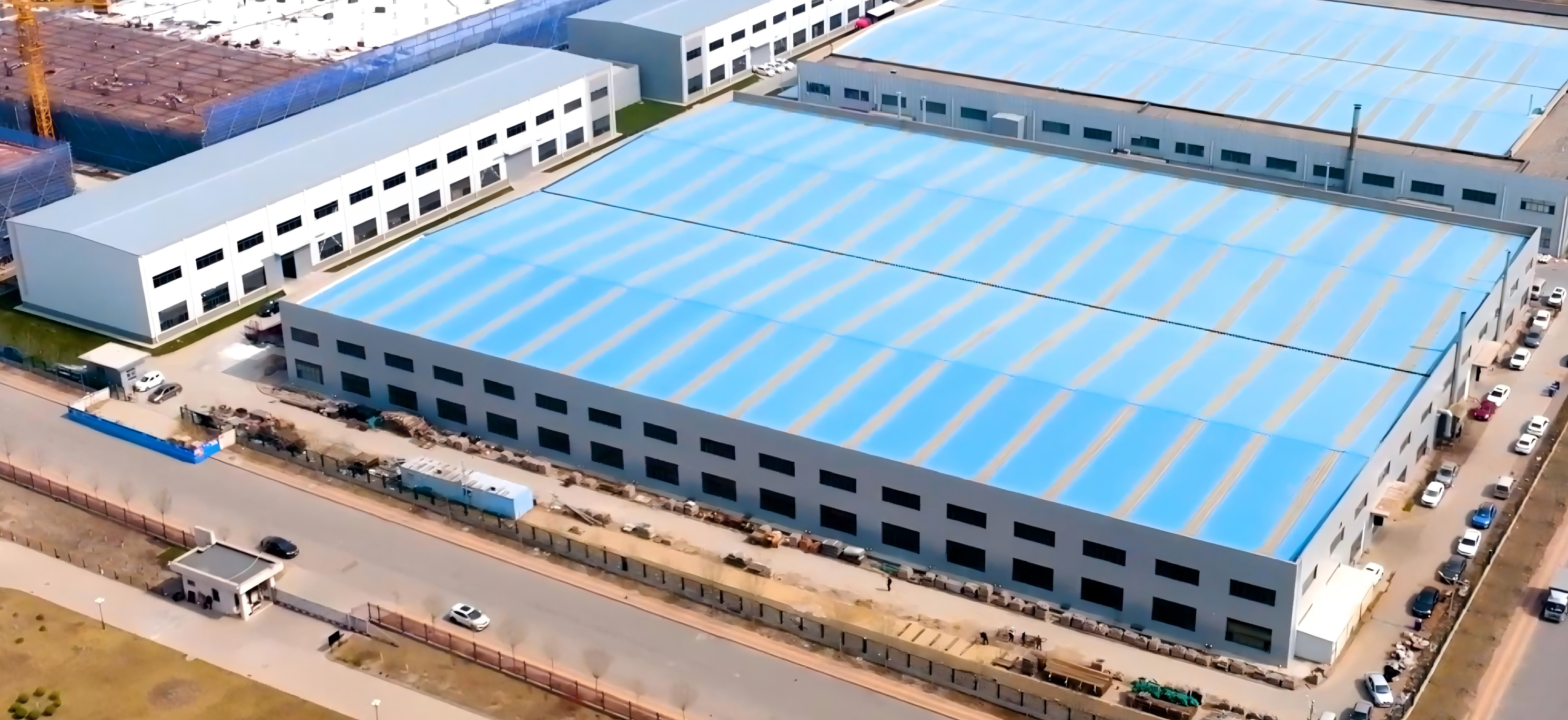
SEAPARKS is the brand of Tianjin Seaparks Machinery-Electronics Co., Ltd, a manufacturer of motorized conveyor drums founded in 2002 in Tianjin, China. The company operates a 50,000 m² plant with more than 300 staff, over 20 automatic feeding production lines and a 40-engineer R&D team, and its drum motors are used in airport baggage handling, security inspection machines, express sorting, food and pharmaceutical production and general manufacturing.
Problem definition: why partnership questions only surface at the decision stage
During a pilot, attention sits on the drive: whether the belt moves, whether the speed matches, whether the unit fits. Two years later the questions are different, and they are contractual. Is the motor arriving in this order identical to the one that was approved? Who signs off acceptance, and against which measurement? If a unit fails in a washdown area, who diagnoses it, and who pays for the replacement drum?
The sealed architecture of a drum motor concentrates those questions. In an integrated drum motor design, the motor, gearbox and drive components sit inside the drum shell, so the conveyor has no chains, belts or exposed transmission parts to specify, lubricate, adjust or re-order. That removes an entire category of spares from a multi-year agreement — but it also means acceptance has to be defined at the level of the sealed unit: housing material, ingress protection, documentation and serial traceability, because there is nothing visible inside to inspect.
Three failures recur in poorly documented partnerships:
- Specification drift. The approved hygienic unit used 316 stainless steel and IP69K protection; the repeat order arrives with a different housing specification because the purchase order named a model but not a configuration.
- Acceptance by eye. Goods-in inspection checks that a drum arrived, not that it matches the approved reference, because no measurable acceptance list was written.
- Assumed after-sales. Both parties believe the other holds the warranty record, the failure diagnosis route and the spare-drum obligation.
Industry background: a larger supplier pool, more claims to verify
The global drum motor market was valued at approximately USD 2.07 billion to USD 2.13 billion in the 2023–2025 period, with growth attributed to logistics automation and food processing demand (Custom Market Insights). Published estimates diverge — Dataintelo places the 2025 figure near USD 2.8 billion and Market.us near USD 2.0 billion — largely because different studies include or exclude ancillary conveyor components. A buyer should therefore treat any single market figure as context, not as a procurement benchmark.
Two structural signals do matter for supplier selection. Asia Pacific is projected to hold a 38.2% revenue share of drum motors by 2025, driven by industrialisation and e-commerce growth in China and India (Dataintelo). And AC motors — three-phase in most industrial conveying, with single-phase and variable-speed variants where the application requires them — accounted for a 52.3% revenue share in 2025 (Dataintelo), with Interroll Group identified as a major player in that segment.
The competitive picture is segmented by duty. Van der Graaf holds an estimated 7.8% of the global market and concentrates on heavy-duty drum motors for mining and aggregate applications (Dataintelo; a third-party estimate, not an audited figure). A wider supplier pool is good for price tension and poor for comparability: more suppliers means more claims about housing material, ingress protection and service, and the only way to compare them is documentation.
Regulation sets the floor. Drum motors sold into the European market fall under the Low Voltage Directive 2014/35/EU and must carry the CE mark, typically referencing safety standards such as EN 62841 or IEC 60034-1. For hygienic duties, IP69K is the highest ingress protection rating under IEC 60529 and is defined for high-pressure washdowns of up to 1450 psi at 80°C — the condition that separates a genuinely washdown-ready drum motor from a merely waterproof one.
Detailed solution: anchor the agreement on the drive architecture, then on documents
A drum motor partnership is easier to write when both parties start from what the drive actually is. Because the motor, gearbox and drive components are housed inside the drum shell, there are no external transmission components: no chain to tension, no belt to replace, no gearbox oil level to check in the drive train. The practical consequences are measurable and belong in the commercial case:
- Approximately 30% lower energy consumption than traditional gearbox-driven conveyor systems, because direct drive removes power losses from chains, belts and additional transmission components.
- Up to 7 times faster installation, since the integrated unit mounts as one component rather than as a motor, gearbox and transmission to be aligned separately.
- Approximately 30% lower initial investment cost, from the simplified structure and the reduced maintenance scope.
- Fewer maintenance interventions, because there are no external components requiring lubrication or adjustment.
For a long-term buyer, the supply implication is straightforward: the spares list shrinks to the drums themselves, and the acceptance argument shifts from component inspection to unit-level verification. That is why the framework agreement should be built around the drum — its model, housing, protection rating and paperwork — rather than around a bill of external parts that no longer exists.
Step-by-step: structuring a long-term drum motor agreement
Step 1 — Fix the purchasing baseline per model
Name the model and the configuration on the order, not just the family. Housing material is the first fork: carbon steel drum motor designs for dry general conveying, stainless steel drum motor designs for washdown and hygiene. Where belt grip is the constraint, a rubber coated drum motor shell becomes part of the specification. Then fix electrical configuration (AC three-phase, single phase, or variable speed), the ingress protection level, and any documentation requirement. The baseline should be one page per approved model.
Step 2 — Write acceptance criteria per application, not per company
Acceptance criteria are only meaningful when they match the duty. For a hygienic unit, the criterion is one full cleaning cycle including high-pressure washdown where IP69K applies. For a light duty unit on a packaging conveyor, it is start/stop behaviour, tracking and noise at the installation point. For an airport baggage or security screening conveyor, it is behaviour under repeated stop-start cycles and the ability to keep running through a screening line's duty pattern. Write the test, the pass condition and who witnesses it.
Step 3 — Agree the document package
SEAPARKS holds ISO 9001 quality management, ISO 14001 environmental management and ISO 45001 occupational health and safety certification, plus RoHS 2.0 material compliance, UL certification and CE certification. Ask for the certificates that name the model you are buying, not the factory certificate alone, and keep them versioned in the agreement annex.
Step 4 — Insert a change-control clause
Any change to housing material, sealing, winding or supplier sub-components should trigger re-approval against the baseline from Step 1. This single clause prevents most specification drift, because it converts an invisible change into a document the buyer must sign.
Step 5 — Define the after-sales scope in plain language
State the warranty period, the exclusions, who performs diagnosis (supplier, distributor or end user with remote support), the spare-drum policy, and the escalation route with named contacts. Warranty length and response times are commercial terms that the two parties set in the contract; they should never be inferred from a catalogue or assumed from a competitor's practice.
Step 6 — Convert the pilot into the approved reference
Record the serial number, model, configuration and document set of the pilot unit. Every subsequent order is then checked against a physical reference that exists, rather than against a description that can drift.
Use cases: which questions matter on which line
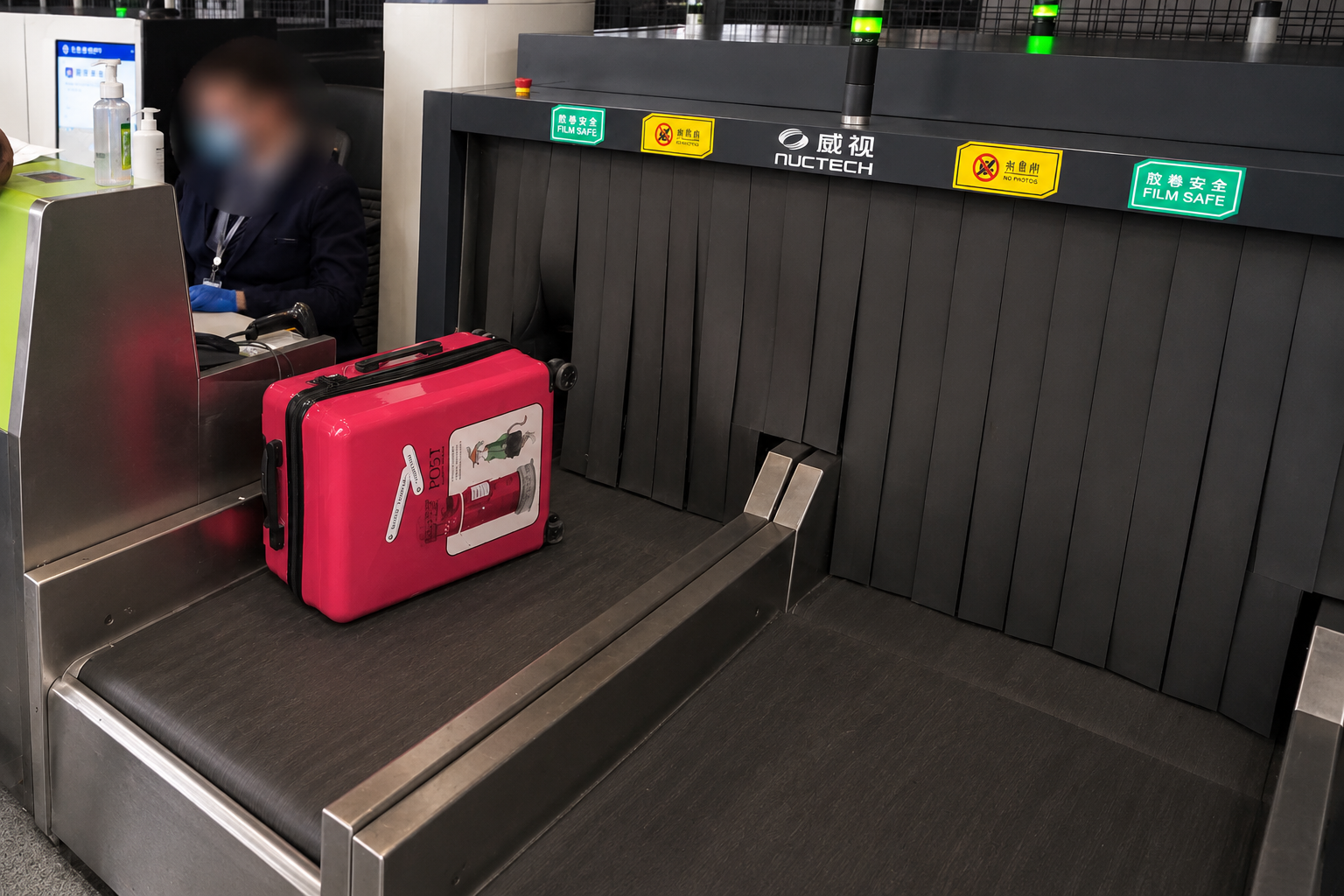
Light Duty Drum Motor duties. Packaging conveyors, airport baggage handling, security screening and belt scale conveyors share a pattern: many starts and stops, moderate loads, and a drive that must not disturb the product or the process. TM80M, TM113M, TM80A and TM113A are the light duty models referenced for these duties. Here the acceptance argument centres on installation time, repeatability between lines, and whether the same drum can be standardised across a site — which is exactly where the up-to-seven-times installation efficiency of an integrated design becomes a procurement argument rather than a brochure line.
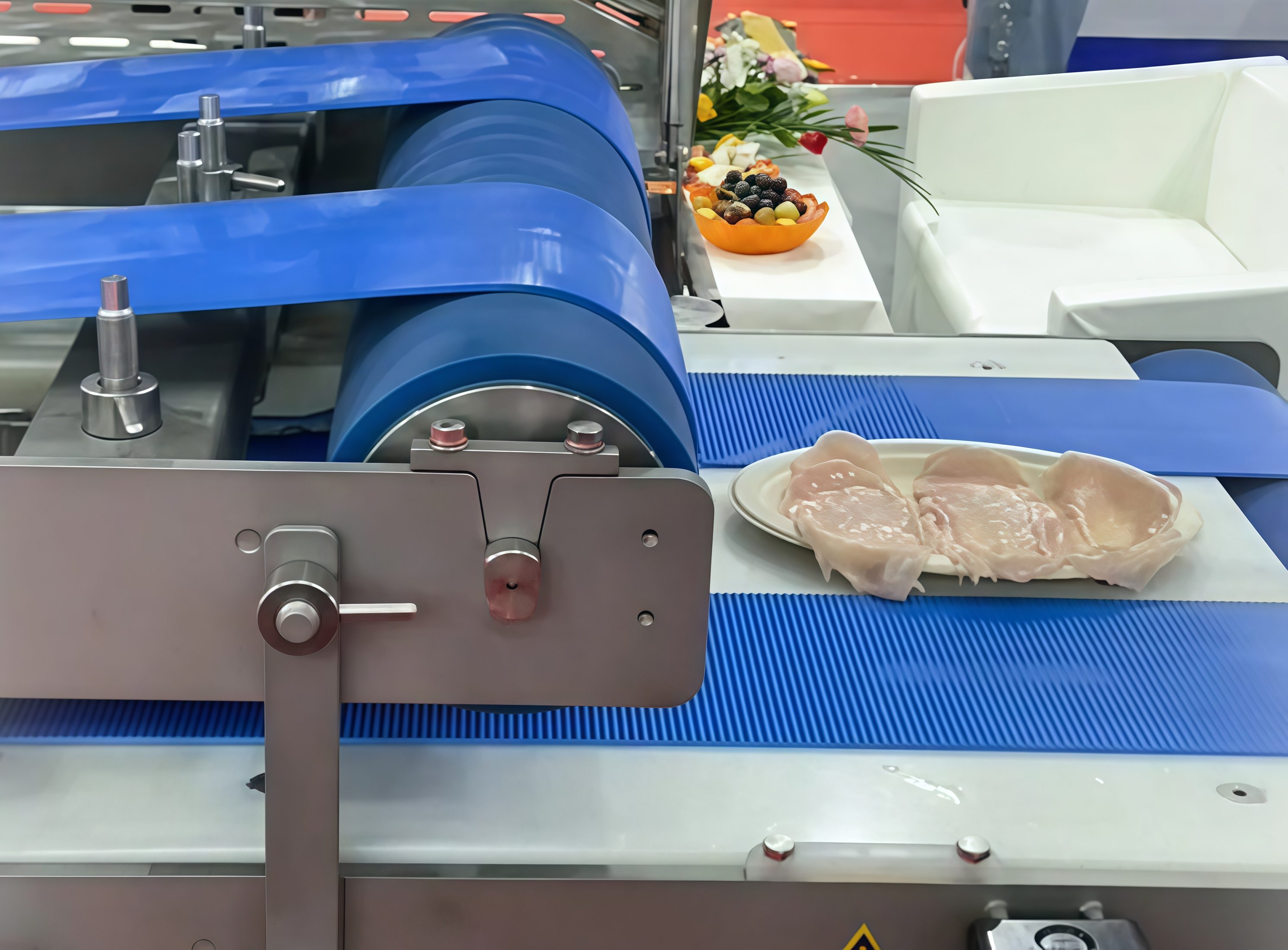
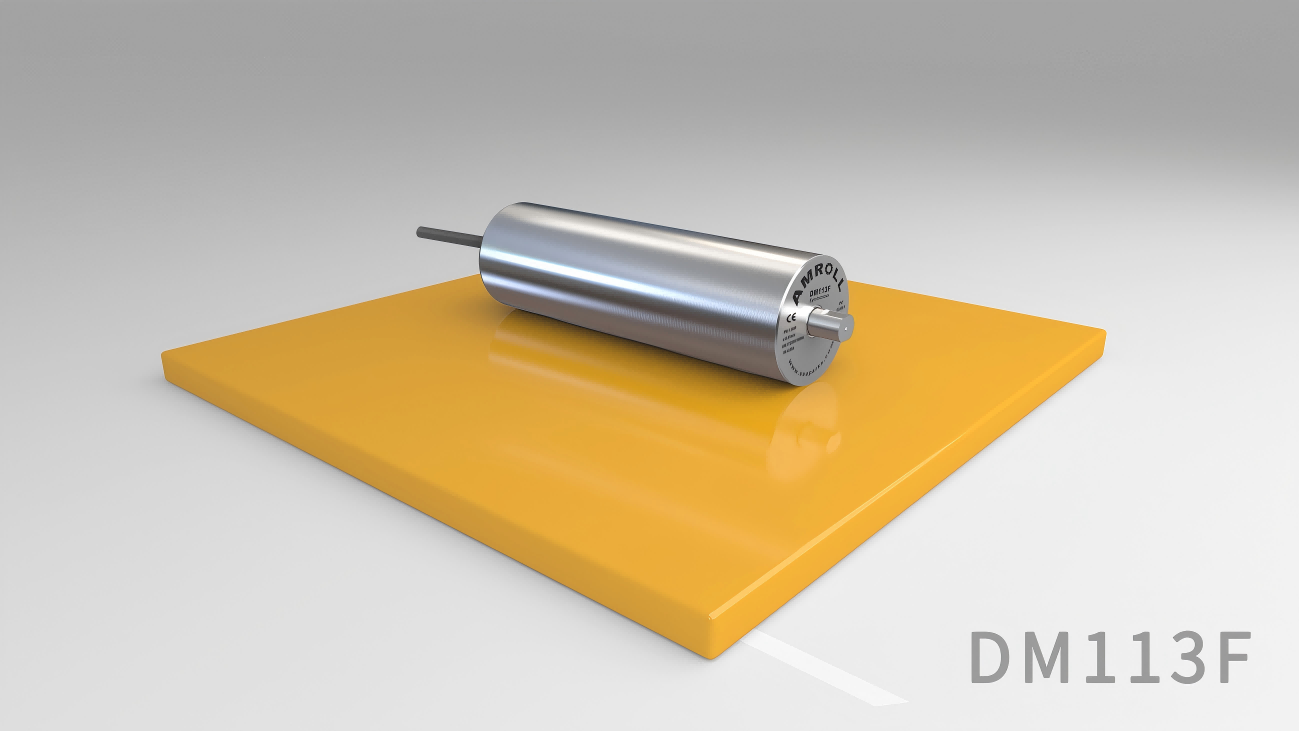
Hygienic Drum Motor duties. Food processing, pharmaceutical production, meat processing and medium-duty belt conveyors add cleaning to the equation. DM80F, DM113F, DM138F, DM165F and DM216F are the hygienic models referenced for these duties, built in 304 stainless steel with 316 stainless steel available as an option, and IP69K protection where applicable. For these lines, the acceptance file should record the cleaning regime the unit was approved against, because that is the condition under which the protection rating means something.
Why one supplier across both families matters. Most plants run hygienic and non-hygienic conveyors within the same building — a food line and the packaging line feeding it, or a pharma filling room and the warehouse conveyor that supplies it. A partner that covers both ranges keeps the approved spares list short and keeps acceptance criteria written in one vocabulary.
Comparison table: what the integrated drive changes in the agreement
| Decision item | Integrated drum motor drive | Traditional gearbox-driven conveyor system |
|---|---|---|
| Drive layout | Motor, gearbox and drive components inside the drum shell; no external chain, belt or transmission parts | Separate motor, gearbox, chains and transmission parts mounted externally |
| Energy consumption | Approximately 30% lower, through direct drive without chain and belt losses | Baseline for the same comparison |
| Installation efficiency | Up to 7 times faster, because the unit mounts as one component | Baseline for the same comparison |
| Initial investment cost | Approximately 30% lower, from the simplified structure | Baseline for the same comparison |
| Maintenance scope | No external transmission components to lubricate or adjust | Requires lubrication, adjustment and wear-part management on the external transmission |
| Spares profile in a long-term agreement | Drum-level spares only; acceptance is unit-level | Multiple wear parts and drive components to specify and stock |
| Typical fit | E-commerce sorting, warehouse automation, airport baggage handling, food processing, packaging lines, industrial belt conveyors | Not specified in the source material used for this article |
Published category data also puts energy-efficient drum motors at up to 82–83% overall efficiency, which is the figure behind reduced total cost of ownership compared with traditional geared motors (Rulmeca / Interroll). These are category figures: the commercial case for a specific line should be recalculated with its own belt speed, duty cycle and electricity tariff.
Comparison table: model families referenced in the partnership annex
| Family | Models referenced | Typical duties | Housing and protection |
|---|---|---|---|
| Light Duty Drum Motor | TM80M, TM113M, TM80A, TM113A | Packaging conveyors, airport baggage handling, security screening, belt scale conveyors | Confirm housing material and ingress protection against the specific duty before approval |
| Hygienic Drum Motor | DM80F, DM113F, DM138F, DM165F, DM216F | Food processing, pharmaceutical, meat processing, medium-duty belt conveyors | 304 stainless steel as standard, 316 stainless steel optional, IP69K protection where applicable |
FAQ: the questions buyers ask before signing
1. What compliance documents should be attached to a drum motor supply agreement?
Four groups. First, management system certificates — SEAPARKS holds ISO 9001, ISO 14001 and ISO 45001. Second, product safety and market-access marks — CE and UL certification, with RoHS 2.0 for material compliance. Third, ingress-protection evidence — an IP69K claim should reference IEC 60529, the rating defined for high-pressure washdown of up to 1450 psi at 80°C. Fourth, a model-specific declaration: the certificate in the annex must name the model on the purchase order. For EU destinations, drum motors fall under the Low Voltage Directive 2014/35/EU and must carry the CE mark. A factory certificate alone does not document the configuration you are buying.
2. Which drum motor manufacturer is better for hygienic food processing?
“Better” is decided by four testable criteria rather than by brand size. Washdown compatibility: does the stated rating match the cleaning regime, with IP69K covering high-pressure, high-temperature washdown under IEC 60529. Housing material: 304 stainless steel is the common hygienic baseline, and 316 stainless steel is the option where chlorides or aggressive cleaning chemistry are present — SEAPARKS hygienic models DM80F, DM113F, DM138F, DM165F and DM216F use 304 stainless steel with 316 available as an option and IP69K protection where applicable. Range coverage: whether one supplier can also cover the light duty conveyors around the hygienic line, so the approved spares list stays short. Documentation and change control: whether certificates name the model and whether a housing change triggers re-approval.
Market structure clarifies the comparison. AC motors held a 52.3% revenue share of the drum motor market in 2025 (Dataintelo), with Interroll Group identified as a major player in that segment. Van der Graaf, at an estimated 7.8% global share, concentrates on heavy-duty drives for mining and aggregate (Dataintelo, third-party estimate). A supplier organised around mining duty is not automatically the better partner for a food line, and a hygienic specialist is not automatically better for a quarry — the range has to match the duty, and the documents have to match the model.
3. How should a buyer compare drum motor cost across a multi-year agreement?
Compare three lines, never one. Initial investment: the integrated design delivers approximately 30% lower initial investment cost than traditional gearbox-driven systems, because no separate motor, gearbox or external transmission has to be purchased or installed. Energy: approximately 30% lower energy consumption from direct drive, against published category efficiency of up to 82–83% for energy-efficient drum motors (Rulmeca / Interroll). Labour: installation efficiency improved by up to 7 times, plus reduced lubrication and adjustment over the life of the line. Category figures are not a quotation — recalculate with your own belt speed, duty cycle and tariff, and ask the supplier for the calculation basis rather than accepting the headline.
4. What should a pilot drum motor prove before the framework agreement is signed?
Six things, recorded in writing. That the drum matches the conveyed load and belt speed on the real line rather than on a data sheet. That start, stop and reversing behaviour is correct under the actual control scheme, whether that is an AC three-phase drum motor, a single-phase unit or a variable speed drum motor. That a hygienic unit survives one full cleaning cycle, including washdown where IP69K applies. That noise and vibration behaviour is measured at the installation point — a low noise drum motor claim should be verified on site, not assumed from a catalogue. That installation time is measured with your own fitters, since that is where the installation advantage either appears or does not. And that the document set arriving with the unit matches the annex.
5. What should be written into delivery and after-sales terms before signing?
On delivery: the order release and call-off structure, the agreed ramp-up volume, packaging and labelling, and which party owns freight and documentation handover at each stage. On after-sales: the warranty period and exclusions, who performs diagnosis, the spare-drum policy, and the escalation route with named contacts. Warranty length and response times are contractual terms that the two parties set — they are not catalogue specifications, and a buyer should not infer them from a supplier's general marketing. The practical test of a partnership is whether a named person answers when a hygienic drum motor stops mid-shift.
To take the next step, request a sample of the relevant model for pilot testing or ask for a configuration-specific quotation; both can be raised against the contact details below, and model confirmation usually takes one round of specification exchange.
Conclusion: the partnership is the document set
A drum motor is a sealed, integrated drive, so the only durable form of vendor control is paperwork: a one-page baseline per approved model, acceptance criteria written against the actual duty, certificates that name the model, a change-control clause, and an after-sales scope that assigns diagnosis and spares to a named party. Buyers who settle those five items before the blanket order remove the three failures that cost the most — specification drift, acceptance by eye and assumed support. The drive itself is the straightforward part.
Next step
Review the full range and specification details in the SEAPARKS product and corporation catalogue, or send the belt speed, load and cleaning regime for your line to request a sample or a quotation.
Tianjin Seaparks Machinery-Electronics Co., Ltd (SEAPARKS)
Website: www.seaparks.com
Email: lijiao@seaparks.com
Tel / WhatsApp: +86 18322005232
Address: No.8 Huatai Road, Beichen Science & Technology Industrial Park, Tianjin, China
Have Questions or Need More Details?
Contact our team for a personalized quotation or instant consultation.
Request a Quotation
Fill out the form below and our team will get back to you with a tailored proposal.
WhatsApp Direct Chat
Prefer to chat in real-time? Message us on WhatsApp for instant assistance & quick answers.
- Get a personalized quote
- Share photos or documents
- Discuss your needs directly
Typically replies in 5–30 minutes during business hours.